Author: Francesca Marasi
Committee: Art & Cultural Heritage Crimes Committee
Date: 08/10/2026
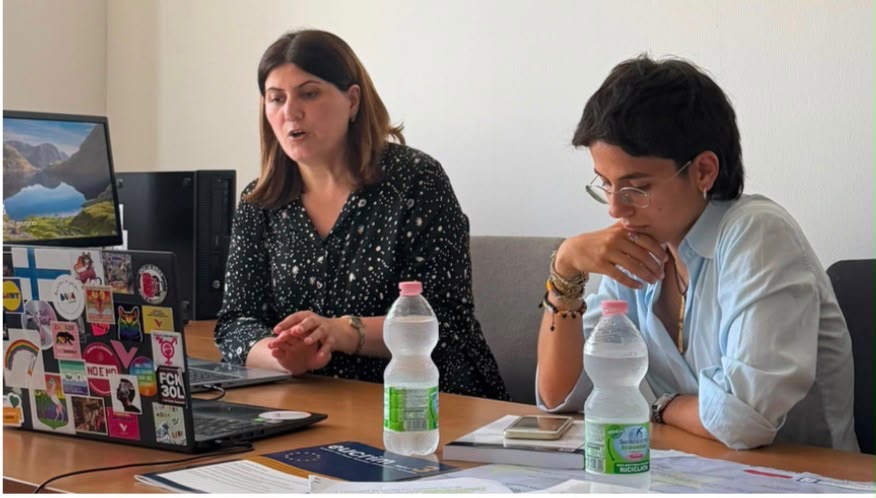
On June 17th 2026, Milano-Bicocca university held an hybrid seminar regarding the importance of the European Public Prosecutor’s Office (EPPO) in combating funds misappropriation, titled “Safeguarding languages, protecting funds: the role of the EPPO in combating misappropriation.”
The seminar explored the importance of protecting intangible cultural heritage, with particular attention to languages. Safeguarding means creating conditions for heritage to be protected, taught and valued, strengthening community pride and social cohesion. For this reason, the role of EPPO investigations into misappropriation of funds allocated for heritage protection, proves to be essential in guaranteeing promotion and preservation of intangible cultural heritage.
The opening intervention was delivered by Mehrinigor Akhmedova, Associate Professor of Comparative Literary Criticism and Translation Studies at Bukhara State University, Uzbekistan whom the University of Milano-Bicocca was honored to host for this seminar.
Her intervention focused on safeguarding intangible cultural heritage in Uzbekistan, offering an insightful overview of the country’s relevant laws, regulations and practices.
Uzbekistan’s living heritage is highly diverse and crosses different domains: a single tradition may combine craft, rituals, music, food, oral history and community identity, while also reflecting a cross-border cultural exchange. In particular, as Professor Akhmedova explained, safeguarding language means safeguarding the words, voices, meanings, stories, craft terms and local expressions through which communities transmit living heritage.
In this sense, the national legal framework provides the legal basis to protect both tangible and intangible cultural heritage, linking national identity and public responsibility. However, because of its complex nature, the preservation of intangible cultural heritage encounters different challenges, including commercialization, mass production, youth disengagement from traditional practice and limited funding. For these reasons, effective safeguarding should be community-based, well documented, educational, ethical and economically sustainable, combining both national and international principles, such as those promoted by UNESCO.
Another key theme relevant in protecting endangered languages was addressed by Adina Hulubas, UNESCO facilitator and Senior Researcher at the Romanian Academy’s Isi Branch, whom University of Milano-Bicocca also had the honor of hosting. Her intervention focused on the protection of languages as a vehicle of the intangible cultural heritage, highlighting their social, cultural, scientific and psychological significance. Indeed, languages play a crucial role in people’s daily lives, not only as a tool of communication, but also as a repository for each person’s unique identity, cultural history, traditions and memory. However, languages around the world continue to disappear at an alarming rate. The presentation explored several examples of Indigenous and endangered languages, highlighting the role of UNESCO and the international legal instruments in their protection.
Eventually, Francesca Marasi, law student at Bicocca University and member of the Art and Cultural Heritage Crimes Committee, addressed the importance of EPPO in combating misappropriation of European funds allocated to cultural heritage protection. In a European Union founded on the motto “United in Diversity,” languages are the most direct expression of European culture.
According to the Charter of Fundamental Rights of the European Union and the Treaty of Lisbon, linguistic protection falls within the broader sphere of the right to cultural identity, while funding represents the operational translation of rights guaranteed at European level. It is precisely at this intersection between cultural heritage and financial interests that EPPO plays a fundamental role.
Finally, considering the limits of the EPPO’s mandate – which does not cover directly cultural heritage crimes -, the intervention emphasized the importance of strengthening the existing framework through a bottom-up cooperation between EPPO and specialized national authorities, especially by means of targeted cooperation agreements on cultural heritage protection. These measures would strengthen cooperation among the Member States and would also enable European citizens to identify with a common goal: protecting languages as their shared cultural roots.
The second part of the event included a round table and an open discussion, allowing attendees and students to pose questions and delve deeper into the topics covered, thanks to the moderation of Professor Benedetta Ubertazzi.
All the information about the event is available here.