Legal Resources
Resources
EPPO Legal Basis
- EPPO Regulation (EU) 2017/1939 Download IT – Download EN
- PIF Directive(EU) 2017/1371 Download IT – Download EN
- D.L.vo 9/2021 in force since 6.2.2021 (amended by D.L. 17/2022 (GU 1.3.2022) – Download IT
Publications
- A Digital Collection of Lectures 2021-2022 – Download
- A Digital Collection of Lectures 2023-2024 – Download
- The STEPPO 2025 e-book, collecting the contributions presented at the Closing Conference of the fourth edition of “The EPPO and EU Law: A Step Forward in Integration” – Download
- The T.2.4 Economic data analysis report – Download
- Editorial curation Ubertazzi, B. (2024). “The Eppo and the rule of law”, Giappichelli. List of contributors: Roberto Saviano, Francesco Testa, Federica Iorio, Lorenzo Salazar, Ludovica Tavassi, Oliviero Mazza, Dorel Herinean, Alejandro Hernàndez Lòpez, Petr Klement, Pietro Suchan, Serenza Cacciatore, Serena Crespi.
Activities
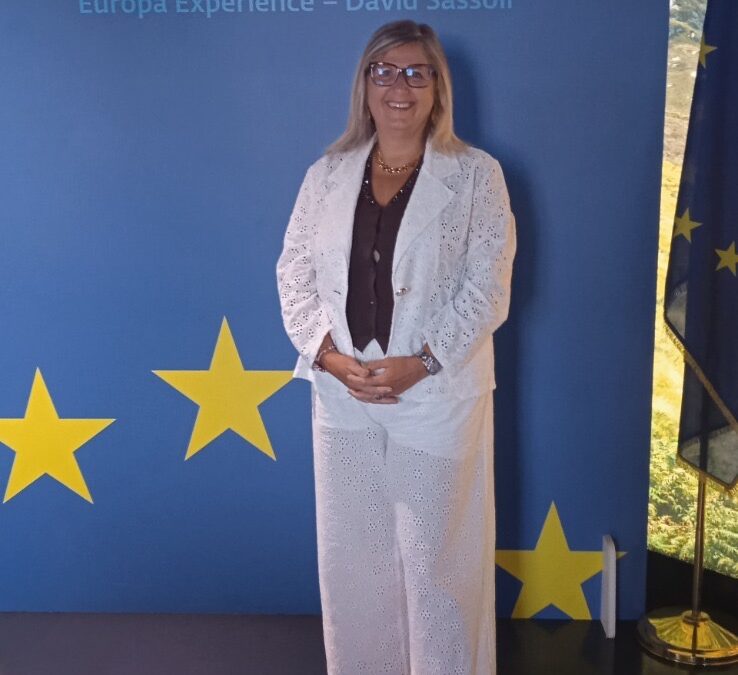
Conferenza Internazionale promossa da Fondazione Lelio e Lesli Basso sulla Procura Europea
Author: Dott.ssa Fabrizia Bemer Committee: Game Committee Date: 29/09/2026 Nei giorni 17 e 18 Settembre 2026 si è svolta a Roma una conferenza internazionale di alto livello promossa dalla Fondazione Lelio e Lisli Basso alla quale l’Università Milano-Bicocca ha avuto...
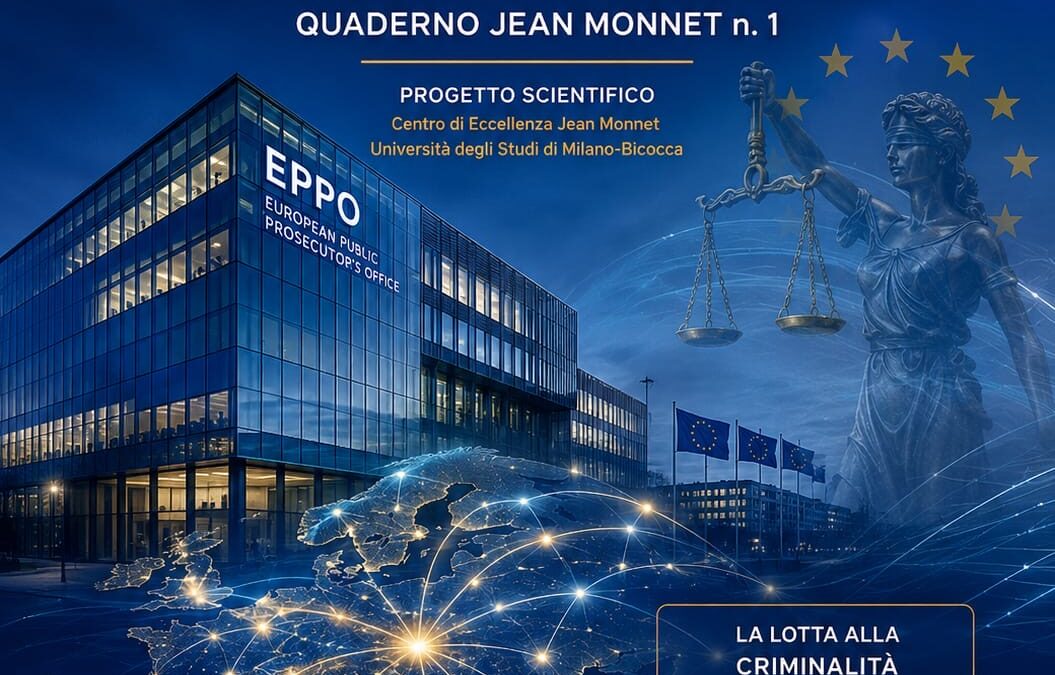
QUADERNI PER L’EDUCAZIONE EUROPEA CENTRO DI ECCELLENZA JEAN MONNET
Il Quaderno è stato realizzato dal Comitato High School del Centro di eccellenza Jean Monnet coordinato dalla prof.ssa Benedetta Ubertazzi e composto da Veronica Carbone, Alessandro Fumagalli, Francesca Fragassi, Antonella Iannascoli, Michele Monopoli, Giulia Pagani,...
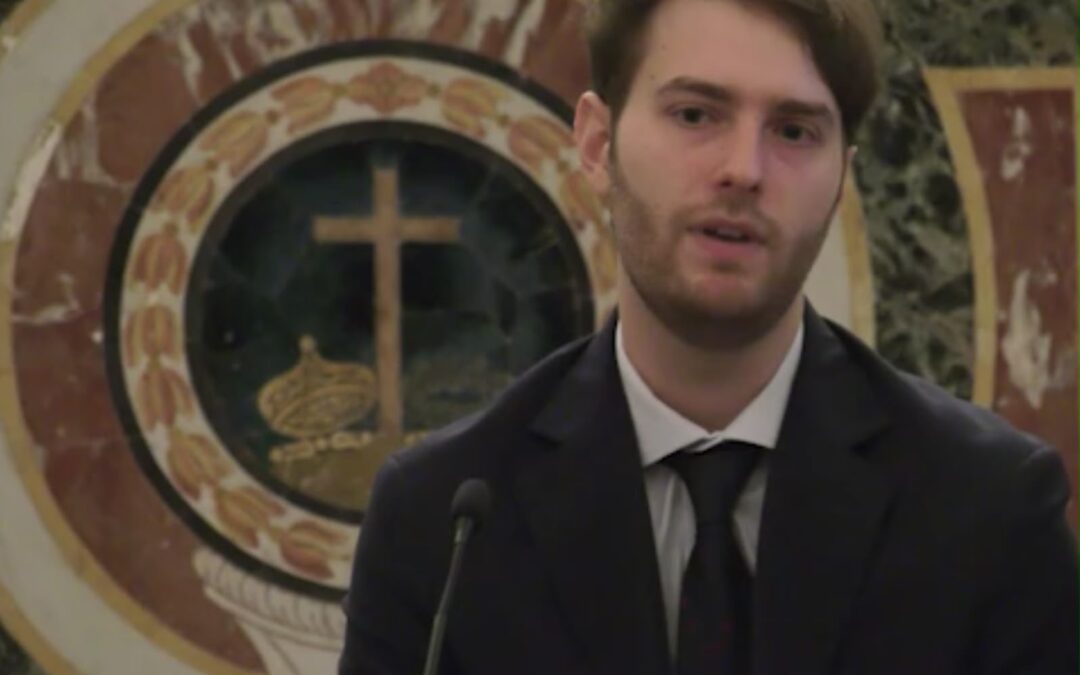
Intervista con il dott. Francesco Cambiano
Author: Aleksandra Lombardo Committee: Interviews Committee Date: 28/09/2026 Dottorando in procedura penale presso l’Università degli Studi di Palermo, nell’ambito del dottorato in Pluralismi giuridici. Prospettive antiche ed attuali, in co-tutela con l’Università di...

Underground banking e reti cinesi in Europa: perché la lotta alle frodi IVA transfrontaliere richiede una Procura europea sempre più forte
Author: Chiara Milano Committee: Banking, Insurance and Financial Authorities Committee Date: 24/09/2026 Lo scorso 16 luglio la dottoressa Chiara Milano ha discusso, presso il Dipartimento di Giurisprudenza dell'Università degli Studi di Milano Bicocca, la Tesi di...
Funded by the European Union. Views and opinions expressed are however those of the author(s) only and do not necessarily reflect those of the European Union or the European Education and Culture Executive Agency (EACEA). Neither the European Union nor EACEA can be held responsible for them.