The Eppo and the Law
A step forward in integrationThird cycle of the module 2024 The Eppo and the Law

Here you will find all the information about our third THE EPPO AND THE LAW module, 2024 edition.
- Supported by the European Parliament
- Accredited by the Milan Bar Association and by the NationalBar Council.
- Accredited by chartered accountants.
- Inserted in high school students activities within the context of PCTO and the NRRP (National Recovery and Resilience Plan).
The PCTO project (commonly known as school-work alternance) is an educational method designed to allow high school students to combine the mostly theoretical scholastic education with a practical work experience within a private or public entity. PCTO implies periods of professional formation in enterprises or other activities that may strengthen the students’ integration into the labour market (i.e. orientation days, meetings with companies and professionals, internships, research, project work etc.). The alternance has been made mandatory since 2015.
Topics of Third cycle of the module 2024
Activities
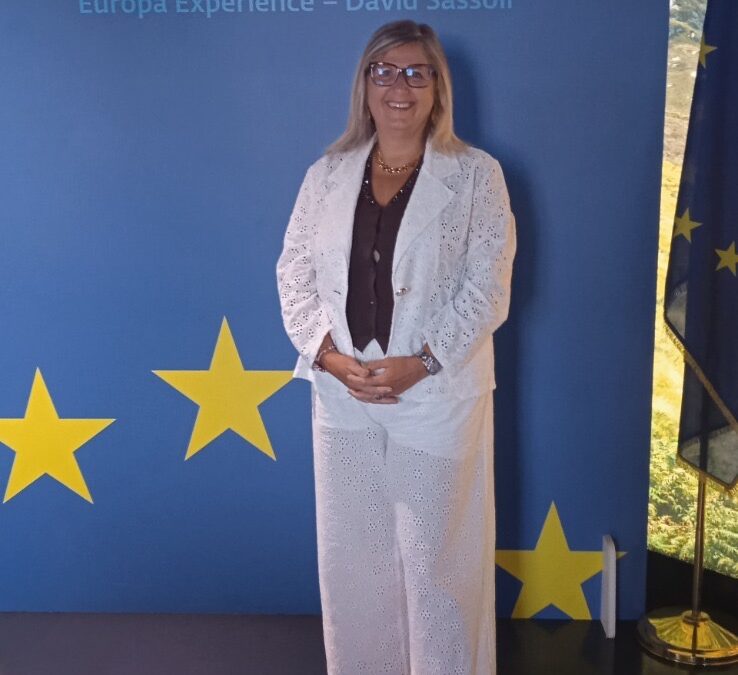
Conferenza Internazionale promossa da Fondazione Lelio e Lesli Basso sulla Procura Europea
Author: Dott.ssa Fabrizia Bemer Committee: Game Committee Date: 29/09/2026 Nei giorni 17 e 18 Settembre 2026 si è svolta a Roma una conferenza internazionale di alto livello promossa dalla Fondazione Lelio e Lisli Basso alla quale l’Università Milano-Bicocca ha avuto...
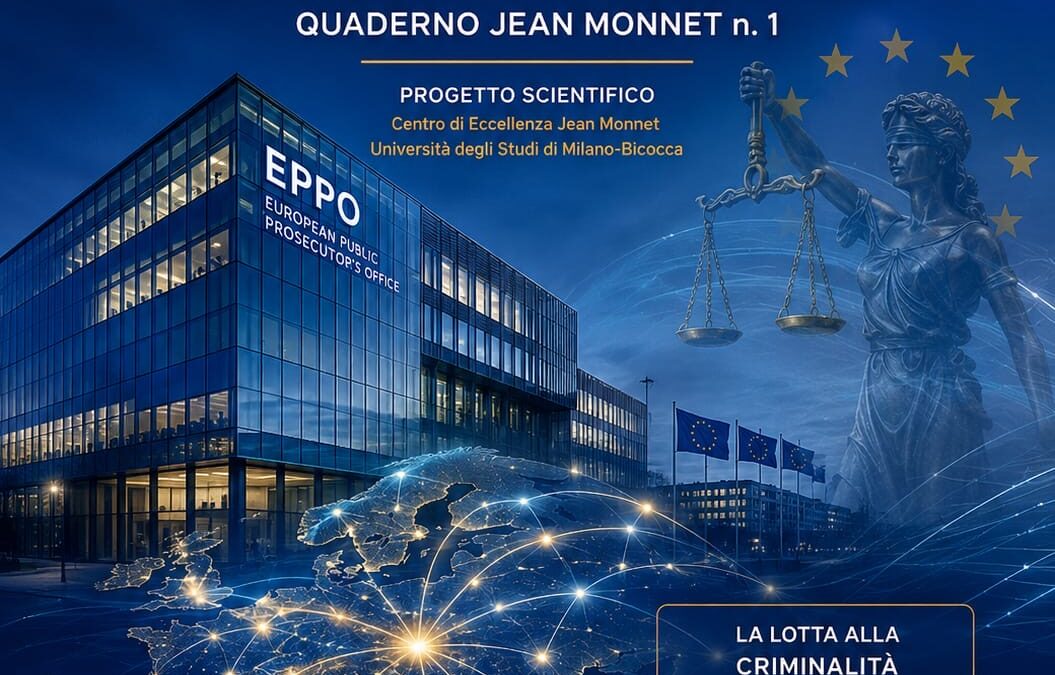
QUADERNI PER L’EDUCAZIONE EUROPEA CENTRO DI ECCELLENZA JEAN MONNET
Il Quaderno è stato realizzato dal Comitato High School del Centro di eccellenza Jean Monnet coordinato dalla prof.ssa Benedetta Ubertazzi e composto da Veronica Carbone, Alessandro Fumagalli, Francesca Fragassi, Antonella Iannascoli, Michele Monopoli, Giulia Pagani,...
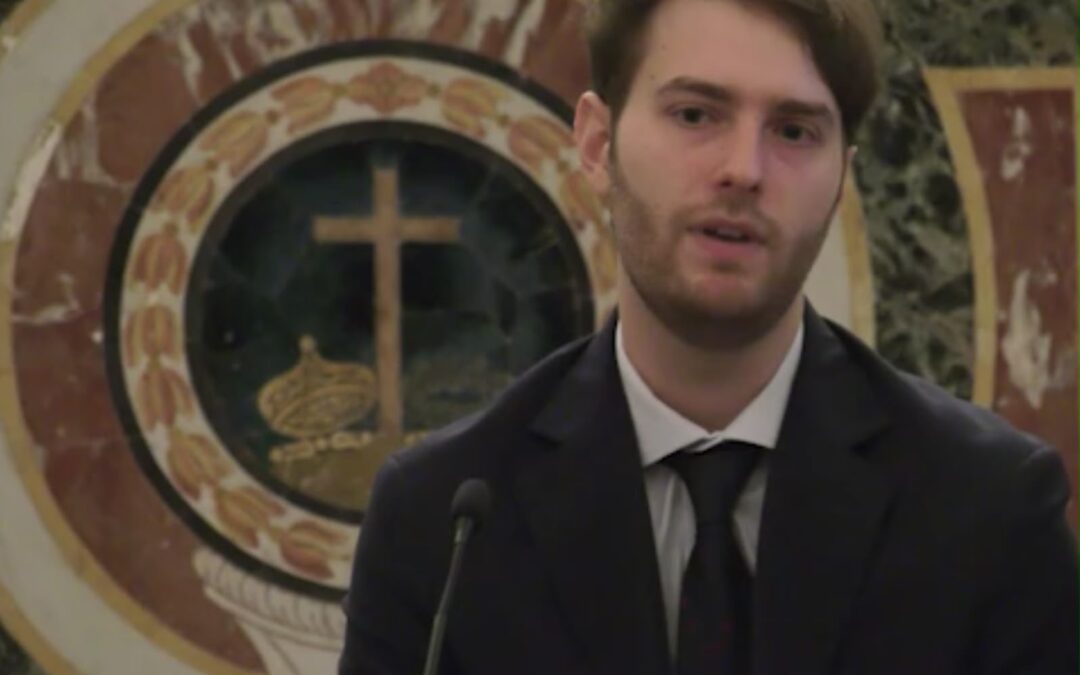
Intervista con il dott. Francesco Cambiano
Author: Aleksandra Lombardo Committee: Interviews Committee Date: 28/09/2026 Dottorando in procedura penale presso l’Università degli Studi di Palermo, nell’ambito del dottorato in Pluralismi giuridici. Prospettive antiche ed attuali, in co-tutela con l’Università di...

Underground banking e reti cinesi in Europa: perché la lotta alle frodi IVA transfrontaliere richiede una Procura europea sempre più forte
Author: Chiara Milano Committee: Banking, Insurance and Financial Authorities Committee Date: 24/09/2026 Lo scorso 16 luglio la dottoressa Chiara Milano ha discusso, presso il Dipartimento di Giurisprudenza dell'Università degli Studi di Milano Bicocca, la Tesi di...
Funded by the European Union. Views and opinions expressed are however those of the author(s) only and do not necessarily reflect those of the European Union or the European Education and Culture Executive Agency (EACEA). Neither the European Union nor EACEA can be held responsible for them.